
Don't just take our
word for it...
word for it...



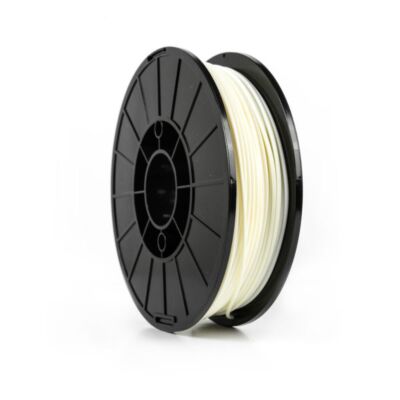
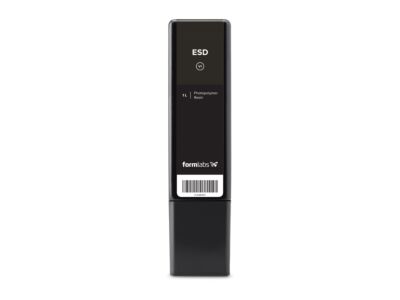
3DGence machines are designed to print engineering polymers like ULTEM, PEEK, PEKK as well as low temp, standard materials. Formlabs range of SLA printers, have a wide range of flexible to rigid materials, as well as also the ability to print in biocompatible materials on the Form 4B and Form 4BL making it a perfect choice for dental or medical applications.
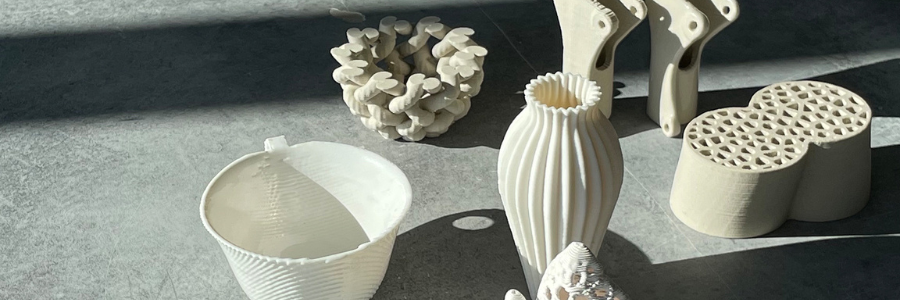
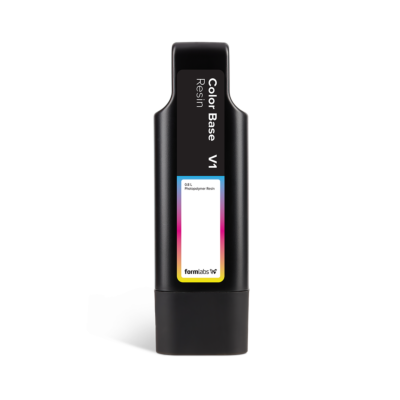
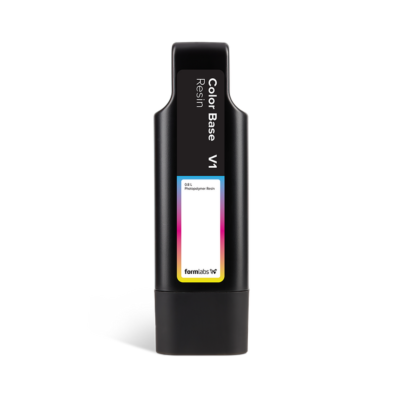
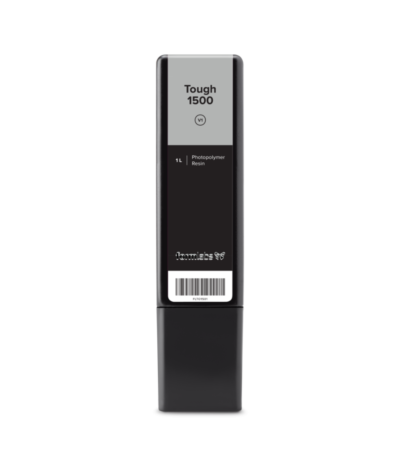
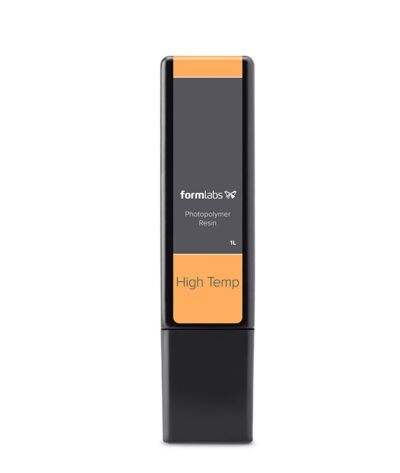
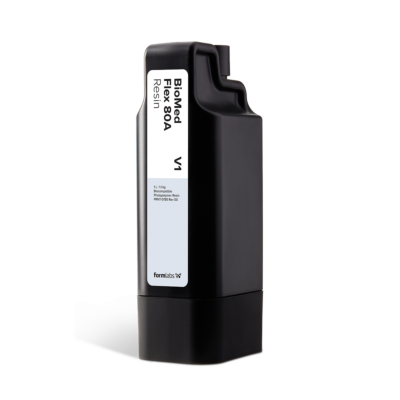
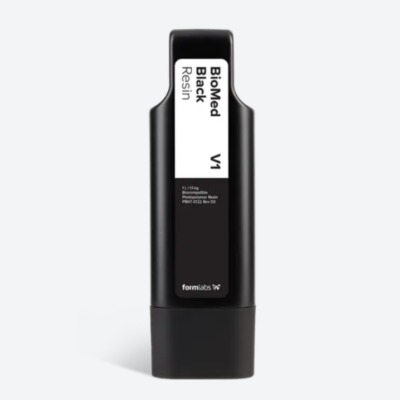

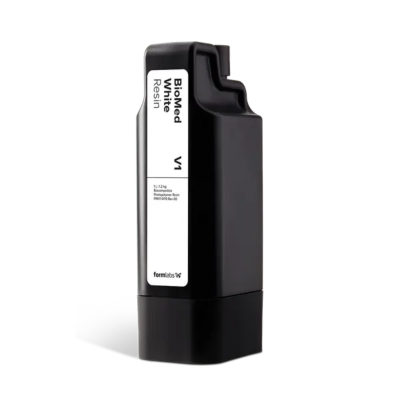
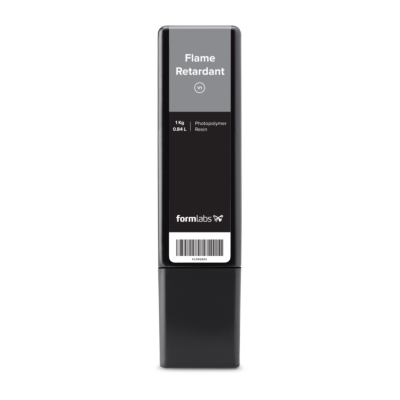

Specialty materials are formulated for specific performance needs, such as flexibility, high-temperature resistance, flame retardancy, biocompatibility or electrical conductivity, going beyond what standard materials can offer.
Flexible materials such as TPU are used for applications needing elasticity and impact absorption, including protective cases, gaskets, seals and wearable parts.
Many specialty materials require specific settings, such as slower print speeds, higher temperatures or an enclosed chamber, so they typically demand more experience or printer capability than standard materials.