
Don't just take our
word for it...
word for it...



Contact us to help you decided which printer is best for you.
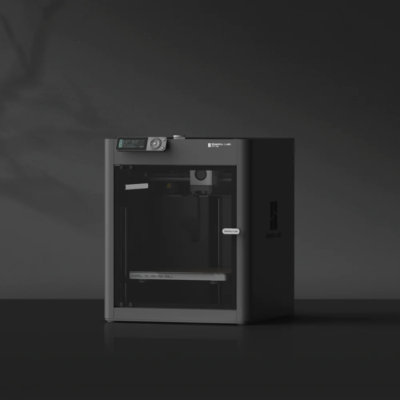

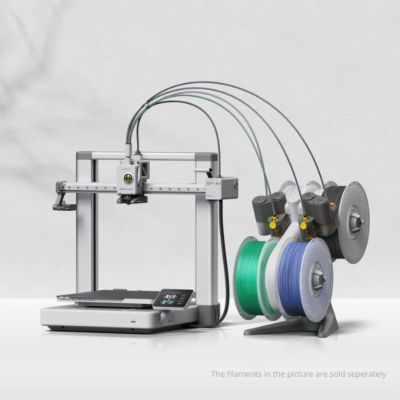
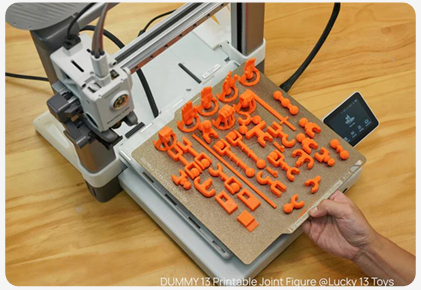
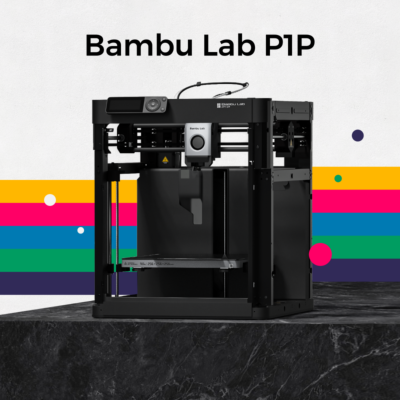
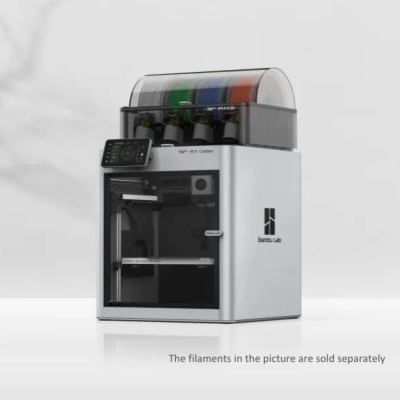
The X1-Carbon and P1S enable up to 16 colours for dynamic and captivating prints. Real-Time Monitoring: Stay in control with real-time tracking. Equip your printer with a 1080p camera (standard for X1-Carbon, optional for P1P) and AI recognition, accessible through the Bambu Studio slicer or Bambu Handy app.
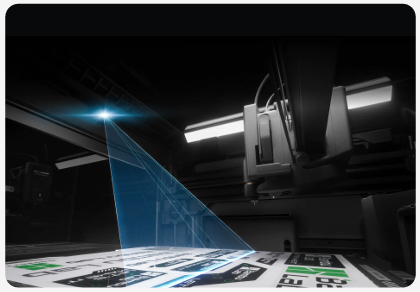
Bambu Lab's printers embody the potential of innovative technology in conquering traditional manufacturing challenges. These printers feature advanced elements such as precise LiDAR integration, the ability to produce multi-colour prints with seamless blending, and a user-friendly mobile app for effortless remote print management. Renowned for both their speed and precision, Bambu Lab's printers stand at the forefront of 3D printing technology, pushing boundaries and setting new standards.
Desktop 3D printers are so named because they are sized to fit on a desk. Possibly the one you’re sat at now. Or the one you were just sat at. Whatever the case, their smaller footprint means they are portable with an extra pair of hands and suited to confined spaces like classrooms, offices and box rooms.
They don’t get in the way, although they still require good ventilation. An open window located close to the printer will suffice. Or a good extractor fan will too. Some desktop printers come with a HEPA filter or support for one. This means they can filter out ultra-fine particles. This helps reduce emissions and smells.
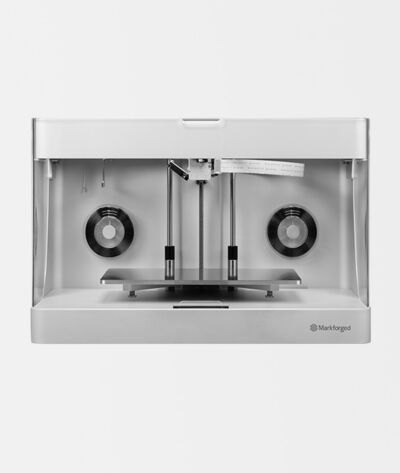
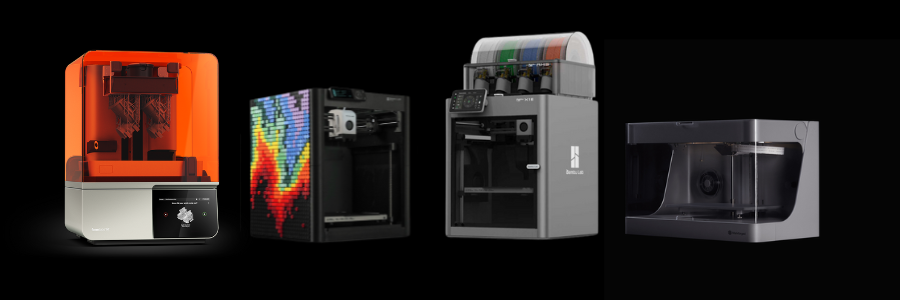
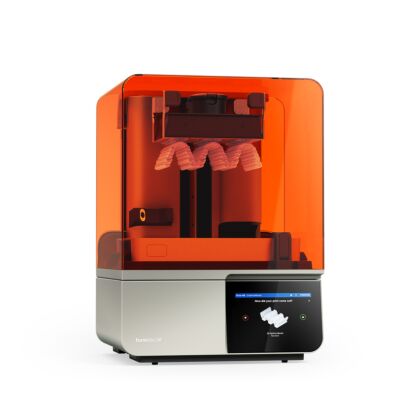
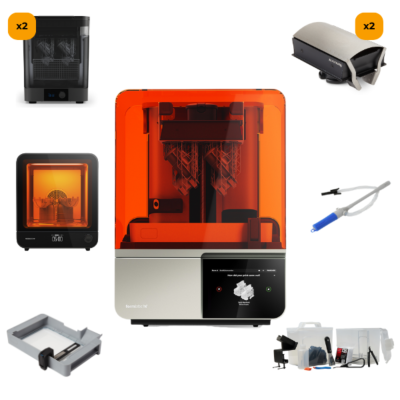
There are two main technologies with desktop 3D printers: fused filament fabrication (FFF) and stereolithography (SLA). These are polar opposites.
FFF melts material and extrudes it onto a build plate to build up a model layer by layer. SLA uses a laser to cure layers of resin in desired areas.
Both technologies have the same outcome - that is, they both fabricate a physical model from a digital drawing - but the results are different. The level of detail possible with SLA is far superior, although the process is more complex. Most desktop printers sold are FFF because of this, and because they are cheaper. Which technology is best for you depends on the application. Get in touch for advice and recommendations.
The most common technologies for desktop printing is Fused Deposition Modeling (FDM), also known as fused filament fabrication (FFF) or Stereolithography (SLA). Each technology has distinct advantages and disadvantages