




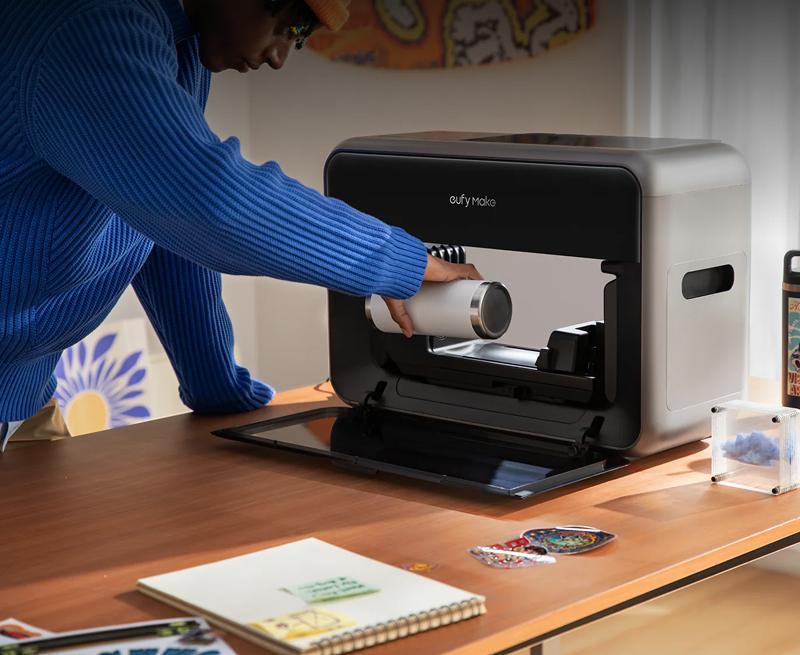
The Eufymake UV printer has quickly captured attention as an innovative desktop solution that blends compact design with advanced printing technology. Unlike standard ink printers, a UV printer uses ultraviolet light to cure inks directly onto surfaces. This process allows for vibrant colours, detailed textures, and durable finishes across a wide variety of materials.
What makes the Eufymake UV printer stand out is its accessibility. Traditionally, 3d texture uv printer systems have been seen as large, costly, and primarily suited to industrial settings. With Eufymake, businesses, designers, and even small studios can now explore the advantages of UV printing without the barriers of size and complexity.
How UV Printing Works
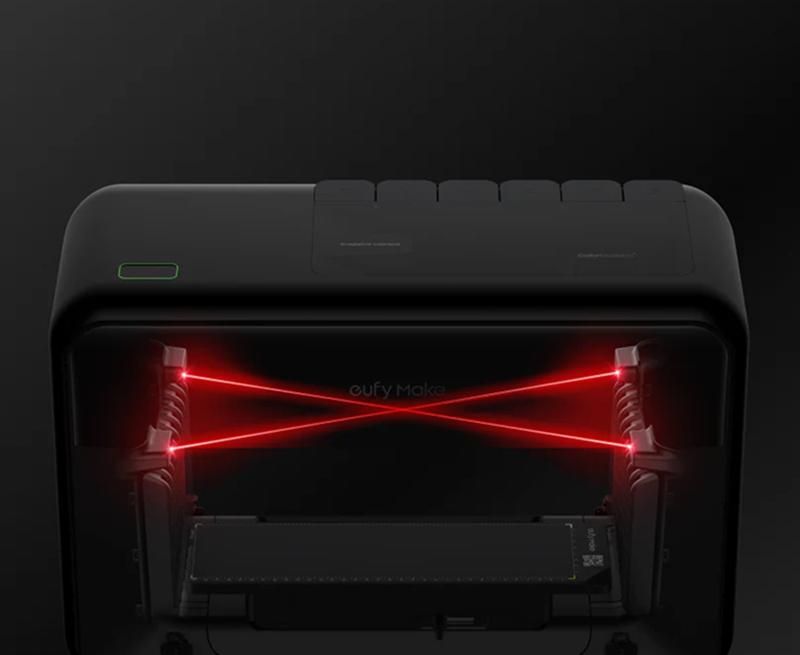
A UV printer works by using ultraviolet light to instantly cure specially formulated inks. This curing method creates strong adhesion and long-lasting prints, even on unconventional materials such as glass, wood, metal, and plastics.
In the case of the Eufymake UV printer, users can expect precise alignment and reliable curing that makes it possible to print on both flat and curved surfaces. This adaptability is one reason UV printers are becoming popular across industries ranging from product design to personalised gifting.
UV Printing Compared to Conventional Printing
Conventional inkjet printing relies on absorption or evaporation of inks. While effective on paper, it struggles with non-porous materials. The Eufymake UV printer overcomes this limitation by curing the ink on contact, producing high-quality prints on surfaces that traditional printers cannot handle.
The Eufymake UV Printer in Practice
Creative Applications
The Eufymake UV printer opens new possibilities for creative professionals. For example, product designers can quickly prototype packaging with clear graphics on materials like cardboard or plastic, while branding agencies can customise promotional merchandise without outsourcing. Artists can experiment with textures and materials to produce unique finishes.
For small businesses, the ability to personalise items such as phone cases, signage, or packaging offers an affordable route to product differentiation. With compact size and ease of use, the Eufymake model makes this more practical than ever before.
Industrial and Professional Uses
UV printing is also increasingly adopted in manufacturing and engineering. The Eufymake UV printer delivers durable results that withstand handling and environmental exposure, which is valuable in producing labels, control panels, and product housings.
The precision and reliability of UV curing can reduce waste and improve production efficiency, aligning well with sustainability goals.
Education and Research Settings
Universities, design schools, and research labs are beginning to embrace compact UV printers for teaching and experimentation. The Eufymake UV printer allows students to explore innovative applications, bridging the gap between theory and practice. In research, the technology can be applied to fields such as biomaterials or micro-manufacturing, where accurate and durable marking is essential.
Small Business Growth Opportunities
For small and medium-sized businesses, adopting a UV printer like the Eufymake can be a growth driver. The ability to produce unique and customised items in-house gives businesses flexibility and speed, cutting turnaround times and reducing dependency on external suppliers. This control can improve margins and allow businesses to respond more quickly to market demands.
Advantages of the Eufymake UV Printer
1. Versatility of Materials
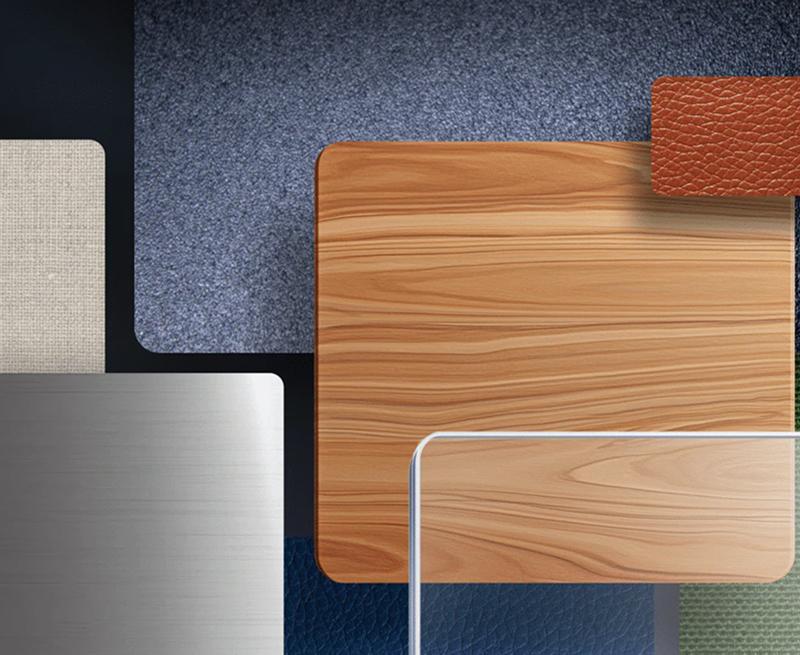
The ability to print directly onto glass, ceramics, acrylics, and metals is a major strength. This versatility distinguishes UV printers from many other technologies, which are often limited to paper or plastics.
2. Durability and Finish
UV-cured inks are resistant to scratching, fading, and moisture. For businesses seeking professional-quality output that lasts, the Eufymake UV printer provides results that can compete with industrial systems.
3. Compact and User-Friendly
Compared to many 3d texture uv printer systems, Eufymake has been designed with desktop users in mind. Its smaller footprint makes it practical for studios or workshops where space is limited.
4. Speed and Efficiency
By curing ink instantly, the Eufymake UV printer shortens production times significantly. This efficiency is especially beneficial for businesses producing prototypes or personalised products on tight deadlines.
5. High Precision for Prototyping
For designers and engineers, precision is critical. The Eufymake UV printer delivers fine detail, allowing for prototypes that closely resemble final products. This accuracy speeds up decision-making during design cycles and helps teams test ideas quickly.
Comparing UV Printers in the UK Market
For organisations exploring a UV printer in the UK, the Eufymake model represents a significant step forward. It combines accessibility with professional-grade results, an appealing balance for small businesses and creative professionals.
Other 3d texture uv printer options are available, often targeted at industrial-scale production. These typically require higher investment and dedicated facilities. By contrast, the Eufymake UV printer offers flexibility without excessive cost or complexity, making it a practical entry point into UV technology.
Real-World Examples in the UK
- Custom merchandise businesses are using UV printers to personalise items like mugs, coasters, and phone covers, allowing for faster fulfilment and improved customer satisfaction.
- Design agencies are adopting desktop UV printers to create realistic mock-ups for clients, reducing reliance on outsourced printing services.
- Educational institutions are implementing compact UV systems for design courses, giving students hands-on experience with professional technology.
- Engineering teams are producing detailed control panels and durable component markings that maintain clarity under regular use.
Future Potential of UV Desktop Printing
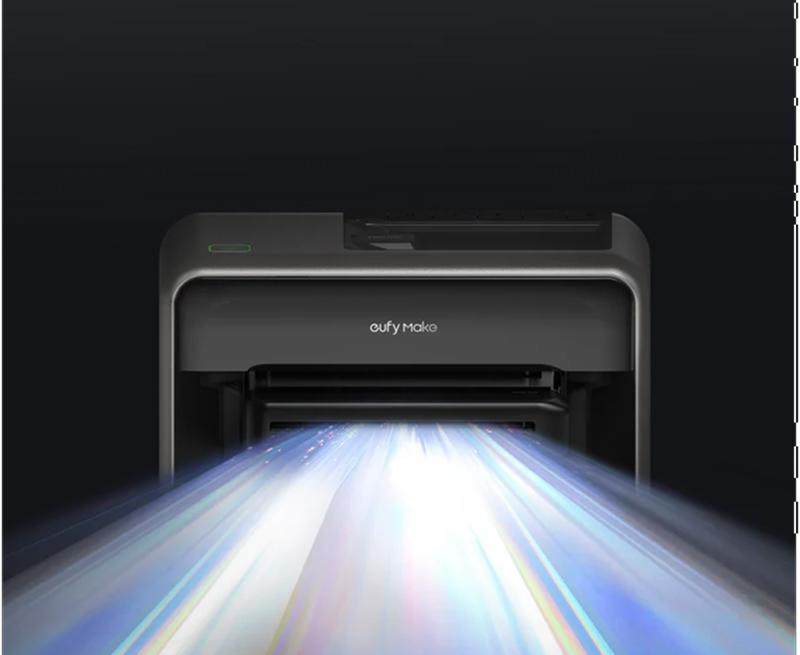
The growing popularity of UV printing reflects broader trends in personalisation, rapid prototyping, and on-demand production. Desktop models such as the Eufymake UV printer are bridging the gap between industrial and consumer markets.
As more industries seek efficient ways to create customised products, the role of compact UV printers is expected to expand. For designers, makers, and businesses in the UK, this technology could signal the next phase of digital printing innovation.
Expanding Beyond Printing
Some industry experts predict UV technology will extend into hybrid applications, where UV curing is combined with additive manufacturing or advanced coatings. The Eufymake UV printer represents a stepping stone toward more integrated systems that could blur the line between printing and full-scale production.
Opportunities in Niche Markets
UV printing is particularly attractive for niche industries. For example, luxury packaging companies are exploring UV printers for embossing-like finishes, while the signage industry benefits from weather-resistant inks. Even the healthcare sector is examining UV printing for durable labels on medical equipment.
Key Considerations Before Investing
1. Material Compatibility
Ensure the materials you work with are suitable for UV curing. Not every substrate reacts the same way to UV inks, so it is worth testing samples before committing to larger production runs. This step helps ensure adhesion, colour vibrancy, and long-term durability.
2. Maintenance Needs
Like any precision device, UV printers require upkeep to maintain print quality. The Eufymake UV printer may need regular cleaning of printheads and calibration checks. Factoring in maintenance routines will help prevent downtime and extend the life of the machine.
3. Workflow Integration
Consider how UV printing fits into your existing processes, whether for prototyping, production, or creative projects. Some workflows may benefit from using UV printers alongside 3D printing or CNC machining, making it important to evaluate compatibility with other technologies in your workspace.
4. Training Requirements
While user-friendly, UV printers still require some operator training to get the best results. Investing time in learning software, colour management, and maintenance procedures ensures consistent performance and maximises the return on investment.
5. Cost of Consumables
Factor in the cost of UV inks and substrates when evaluating long-term affordability. Although UV printers can save costs on outsourcing, businesses should be aware of ongoing expenses for inks and replacement parts. Understanding consumable lifespans helps in creating accurate budgets.
6. Safety Measures
As UV light is involved, it is important to follow recommended safety protocols to protect users and maintain workplace standards. Proper ventilation, use of protective equipment, and adherence to manufacturer guidelines will create a safe operating environment.
7. Scalability and Future Growth
Businesses should also consider how scalable a UV printer is within their growth plans. The Eufymake UV printer offers a strong foundation, but larger operations may eventually require industrial models. Planning for future upgrades ensures that technology investments align with long-term goals.
Is the Eufymake UV Printer the Future of Desktop Inkjet Printing?
The Eufymake UV printer is reshaping what’s possible at a desktop scale. By curing ink directly onto glass, metal, plastics, and more, it delivers durable finishes that standard printers can’t match. Its compact build, reliable precision, and ability to handle both creative and professional tasks make it an attractive option for designers, small businesses, and educators. With growing demand for customisation and fast turnaround, the Eufymake UV printer shows that desktop UV printing is moving from a niche tool to a practical solution, and it’s likely to play a leading role in the future of printing.