




Sustainability at Additive-X
3D printing has its environmental challenges. We think it’s important to be honest about them, and even more important to take action. At Additive-X, sustainability is part of how we work, not a statement added for effect. It influences how we run our building, manage waste, select partners and support research with real value. Here’s what we’re doing in practice.
Tackling the Plastic Problem
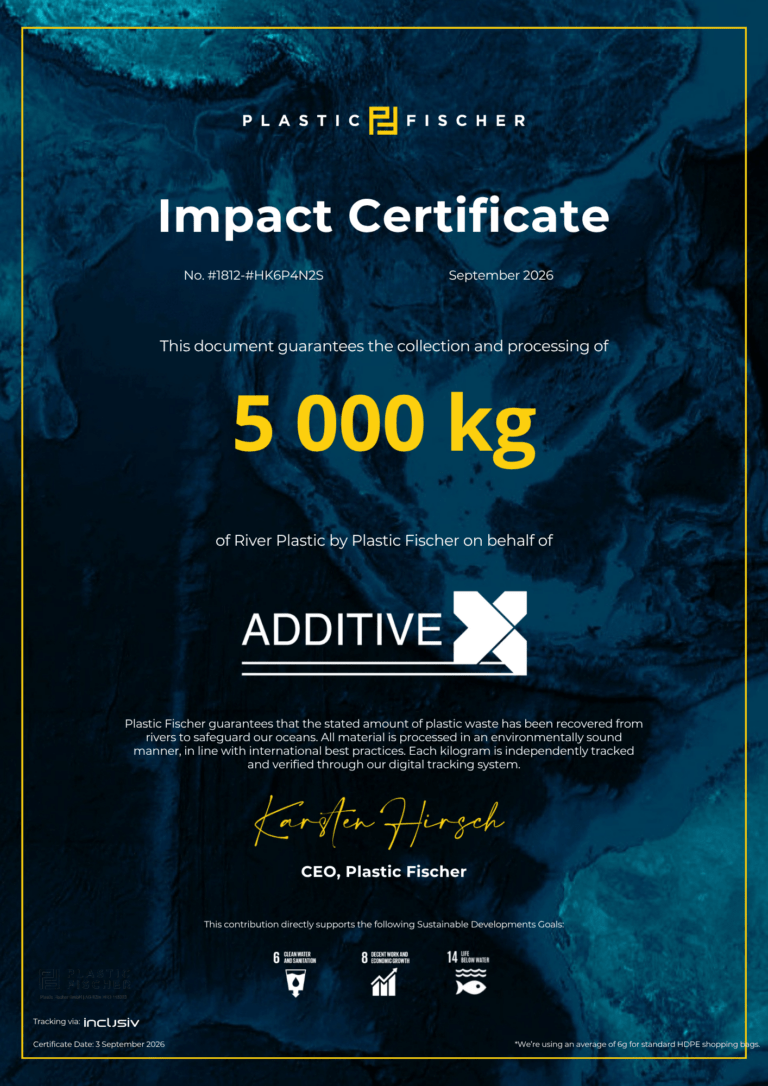
Professional partnership with Plastic Fischer
Plastic Fischer works to intercept plastic waste in rivers before it reaches the ocean, using low-cost, low-tech barrier systems such as the TrashBoom. The collected material is removed from the water and kept out of the marine environment, tackling plastic pollution at its source.
We’ve partnered with Plastic Fischer to help tackle the ocean waste plastic problem. For every 1 euro invested, Plastic Fischer recovers 1 kg of plastic from rivers. We’re committing to a donation that will recover 5,000 kg (5 tonnes) of plastic. So when you buy filament from us, you’re not just getting material for your printer. You’re helping us keep plastic out of the sea.
Want to find out more about Plastic Fischer? Watch now.
What We Do Day to Day
How We Run Our Business
The headline figures matter, but so does the day-to-day. Here’s what’s happening inside our Ripon HQ:
Energy
We’ve installed LED lighting throughout our building, which has delivered an annual saving of 49,343 kWh of electricity, roughly equivalent to preventing 11.5 tonnes of CO2 from being produced each year.
Waste and recycling
In a single year, we divert around 260 tonnes of cardboard waste from landfill through a combination of:
Re-using boxes when we ship out to customers
Shredding and re-using cardboard as protective packaging for our shipments, rather than buying new void-fill.
Of course we also recycle as much mixed plastic waste, paper and WEEE as we can every year.
Our workspaces are furnished with reclaimed wood desks and up-cycled workbenches.
Transport
We’re committed to converting our fleet to electric vehicles. Zero exhaust emissions is the goal, and we’re working towards it.
3D Printing and Sustainability
Why 3D Printing Can Be a More Sustainable Choice
Additive manufacturing builds parts layer by layer, using only the material required. Traditional subtractive manufacturing (milling, cutting, turning) starts with more material than you need and removes the excess. That excess becomes waste.
3D printing also has the potential to shorten supply chains significantly. Parts that would previously have been shipped from overseas can be produced on-demand, locally. That means less freight, less packaging, and lower associated emissions.
It’s not a perfect picture. Resin, support material, and failed prints all have environmental costs worth acknowledging. But with the right approach to materials, processes, and machine settings, additive manufacturing can be a genuinely lower-impact option for many applications. We’re happy to talk through the trade-offs for your specific use case.
Monkey Fist Adventures Sponsorship [NEW]
Sponsoring the Brain Waves Indian Ocean Row, and the Research Behind It
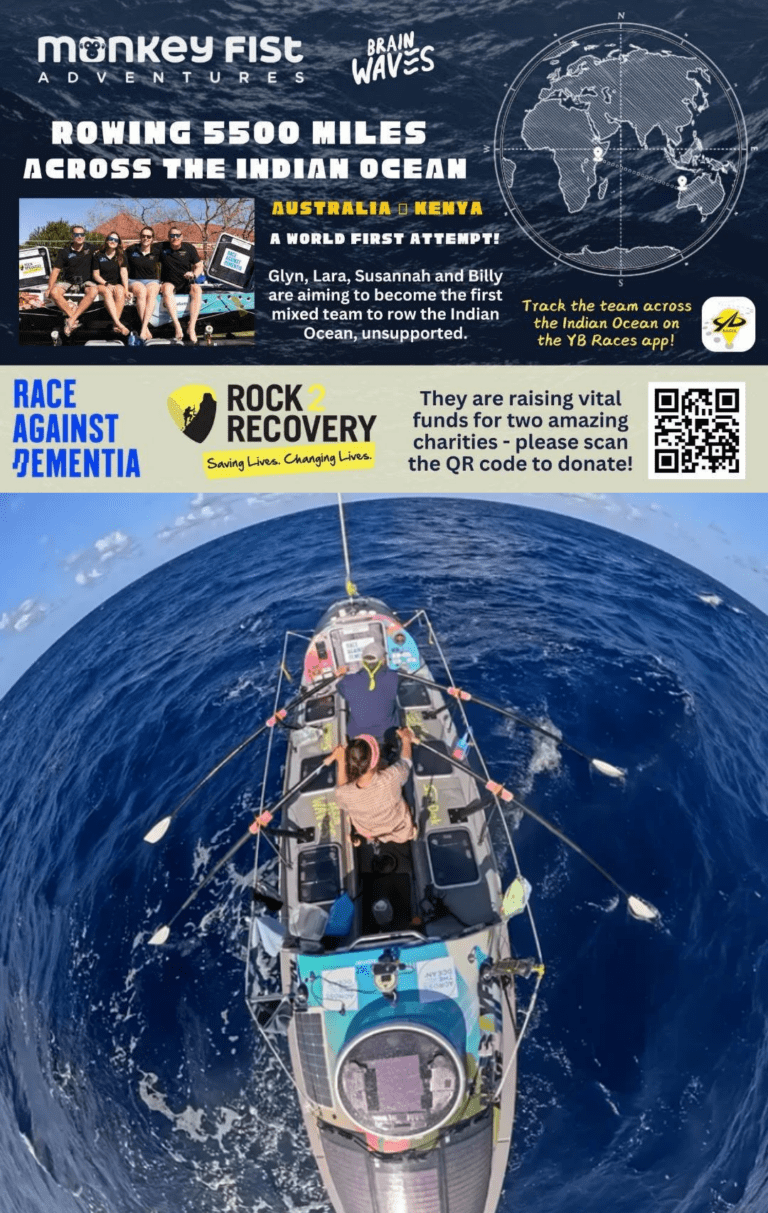
In June 2026, a crew of four will set off from Exmouth in Western Australia and row, unsupported, approximately 5,500 miles to Mombasa on the Kenyan coast. The crossing, organised by Monkey Fist Adventures, has never been attempted before on a mainland-to-mainland basis. We’re proud to be a sponsor.
The challenge is raising funds for two charities, Race Against Dementia and Rock 2 Recovery, but it’s also doing something that caught our attention from an environmental standpoint: conducting live ocean research.
Follow the journey
The crew sets off in early June 2026. You can follow their progress on the Monkey Fist Adventures website and across their social channels. The row is expected to take over 100 days, with the crew rowing in pairs in two-hour shifts, 24 hours a day, for the entire crossing.
Future Plans
What’s Next
We’re not standing still. Here’s what we’re working towards:
Solar panels
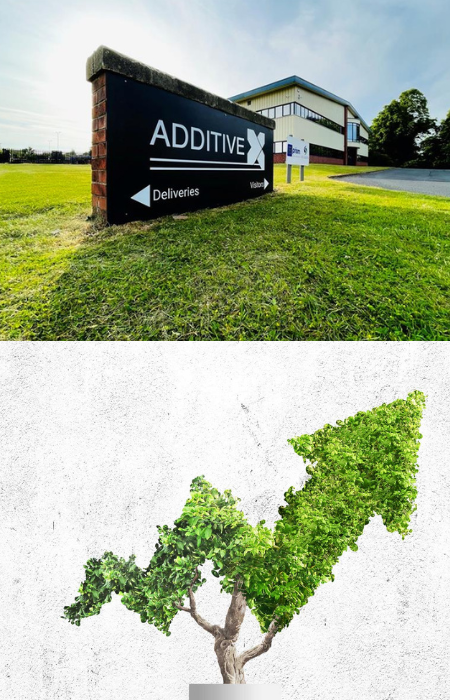
We’re exploring solar panel installation at our Ripon facility to generate clean energy and further reduce our reliance on the grid.
More EV charging
We plan to install additional electric vehicle chargers on site, supporting both our own fleet transition and staff who drive electric.
Better waste management
We’re continuing to improve how we sort and recycle waste, with the aim of diverting more from landfill and closing more material loops.