
Don't just take our
word for it...
word for it...



A composite material is a material made from two or more different materials which, when combined results in a much stronger material, often with weight saving. In Additive Manufacturing, printing with composite materials is a young technology, but one with large potential. A carbon-fibre reinforced composite for example can be as strong as aluminum and printed at a fraction of the cost.
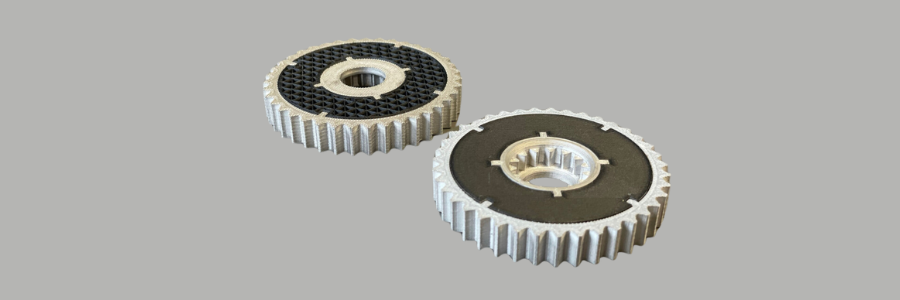
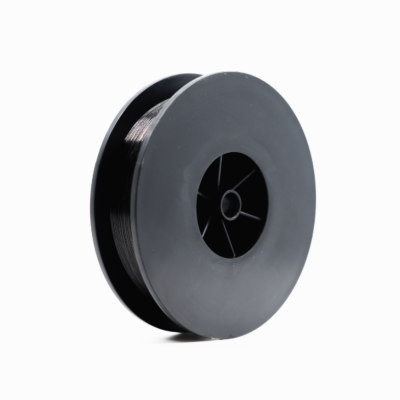
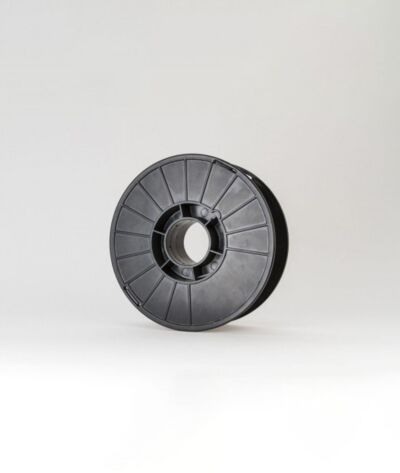
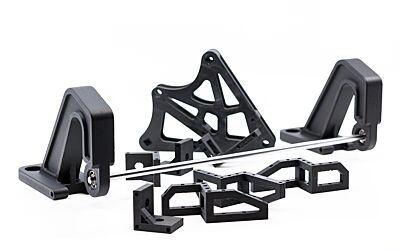
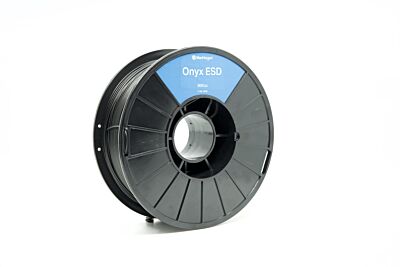
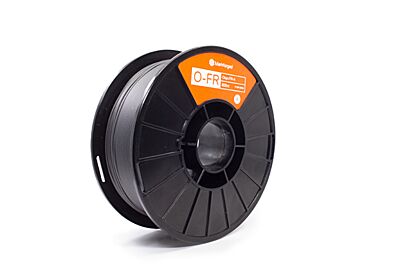
Composite materials combine a base polymer, such as nylon, with reinforcing fibres like carbon fibre, fibreglass or Kevlar, either chopped within the filament or laid as continuous strands, to increase strength and stiffness.
Chopped fibre filaments mix short fibre strands into standard filament for a moderate strength boost with easy printing. Continuous fibre systems, such as Markforged, lay unbroken fibre strands within the part for significantly higher strength.
Carbon fibre composite parts suit applications needing high stiffness and low weight, such as jigs, fixtures, drone components and tooling, where metal would add unnecessary weight.
Chopped fibre composites can often be printed on a standard FFF printer fitted with a hardened nozzle, as the fibres are abrasive. Continuous fibre composites require a dedicated printer, such as those from Markforged.
The second is continuous fibre. This is where long strands of fibre like carbon fibre, fibreglass or Kevlar are mixed/ ironed in with a plastic filament, like PLA, ABS, Nylon, PETG and PEEK during the printing process. Parts 3D printed with continuous fibre are extremely lightweight, yet as strong as some metals.
Companies including NASA, Google and Ford are now creating parts 50x faster and up to 23x stronger than ABS, using Markforged’s continuous carbon fibre industrial printer platform.