
Don't just take our
word for it...
word for it...



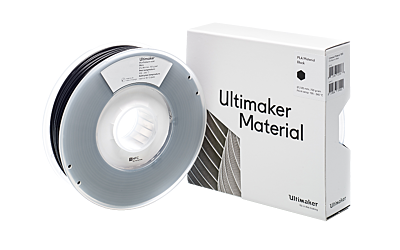
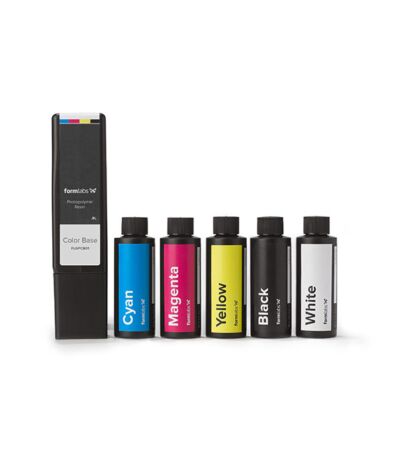
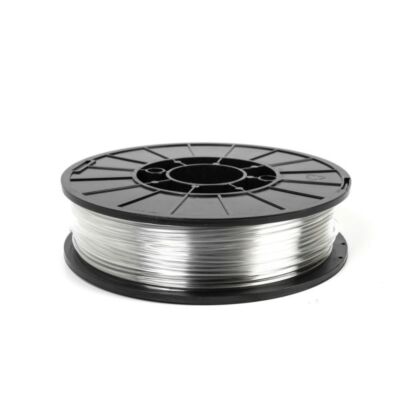
Perfect for R&D and product design teams . Explore our range of standard materials including filament, powder or resins for quick mock-ups of functional prototyping.


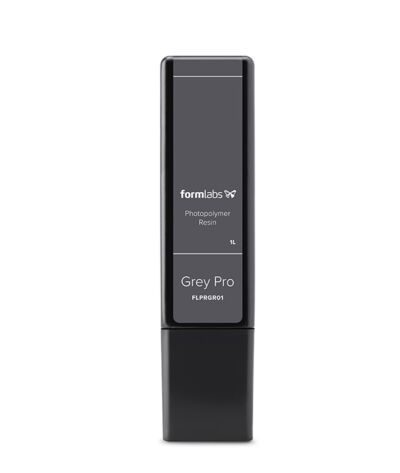
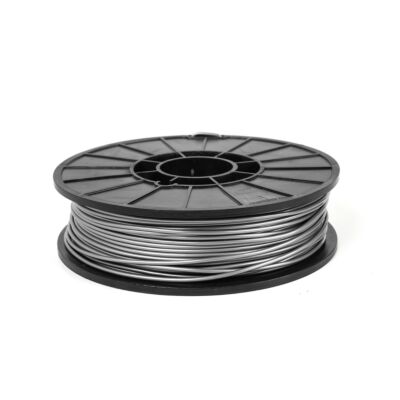
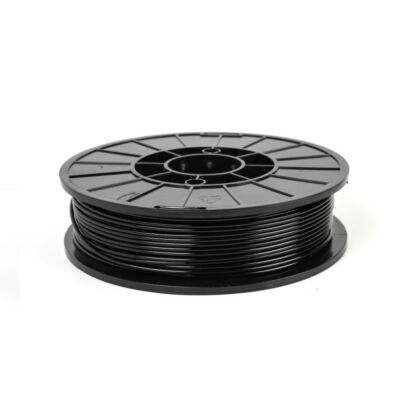
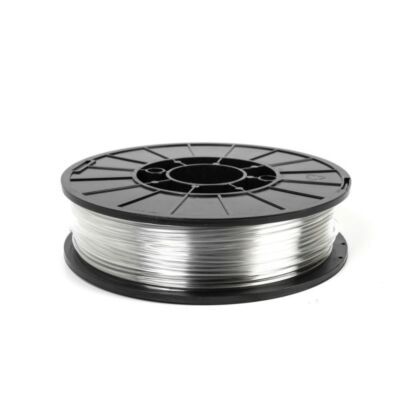
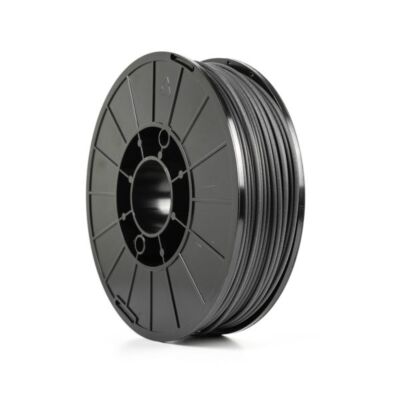
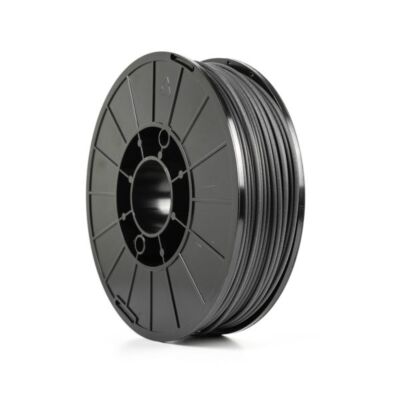
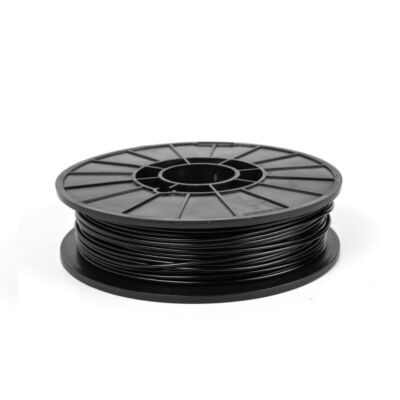
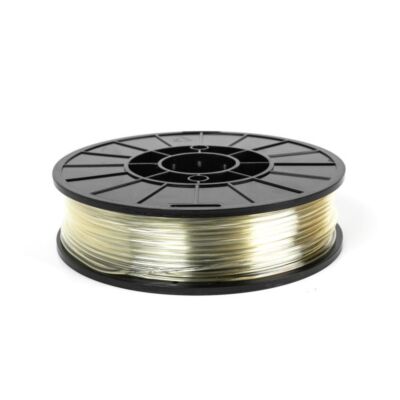
Standard materials are general-purpose options such as PLA, PETG and standard SLA resins, chosen for ease of printing, cost-effectiveness and suitability for prototyping and low-stress parts.
Standard materials are the right choice for visual prototypes, concept models and parts that will not face significant mechanical, thermal or chemical stress, where cost and ease of printing matter more than performance.
PLA is best suited to visual and low-stress applications rather than functional parts, as it has lower heat resistance and impact strength than engineering materials such as PETG, nylon or composite filaments.
Standard materials are generally the most affordable option across FFF, SLA and other processes, making them a practical starting point before moving to specialty or engineering-grade materials for production parts.